
China Baby Bottle Manufacturer
We manufacture silicone, glass, PP and PPSU baby bottles, together with stainless steel baby water bottles, giving you a broader base for building your product range. You can start with our existing designs and adapt the product to your brand without developing every bottle from the ground up.
- Multiple Material Lines Expand Your Product Coverage
- Existing Bottle Designs Reduce Development Work
- Material-Matched Branding Improves Finished Presentation
- Approved-Sample Production Keeps Bulk Orders Consistent
Explore Our Baby Bottle Product Range
Different projects start with different materials. We keep each bottle range clearly separated, giving you a faster way to see what is already available and move into the series that fits your project.
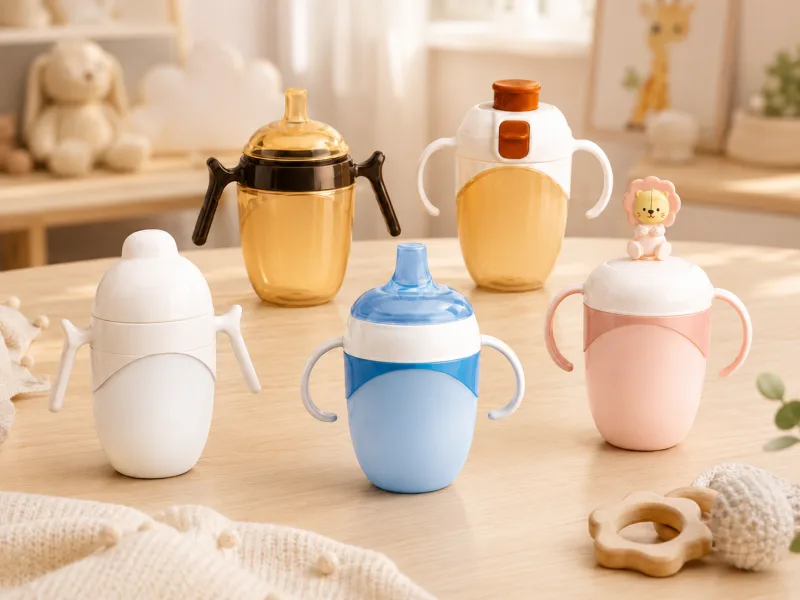
For a silicone-based feeding line, you can start from several existing molded bottle shapes rather than developing the bottle body from zero. Each design is supplied as a complete feeding configuration for further brand customization.
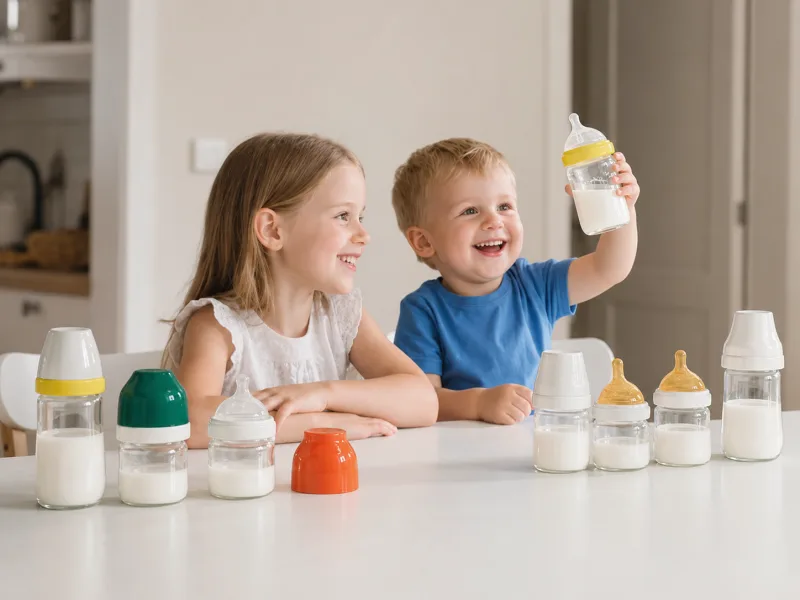
Borosilicate glass bodies are paired with silicone nipples and matched closure components to form our glass feeding bottle range. Different bottle profiles give you room to select the appearance you want while keeping glass as the core bottle material.
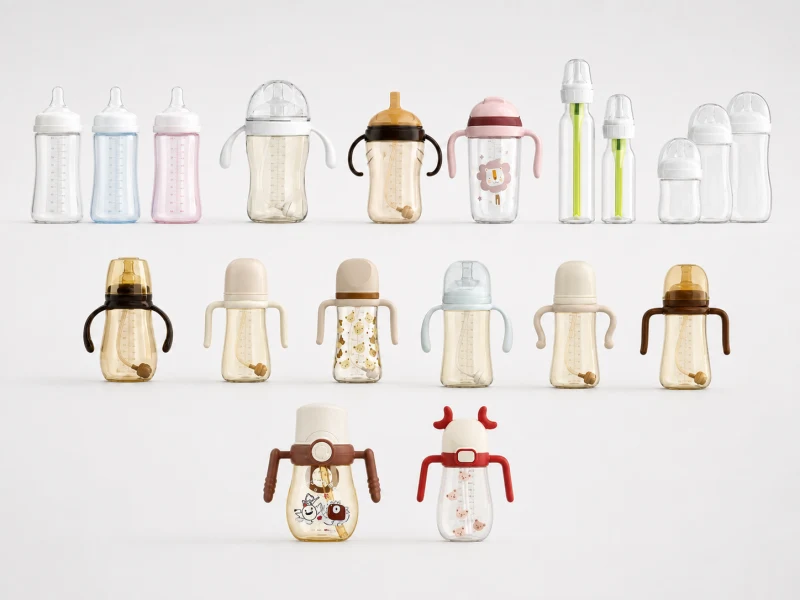
PP gives you access to an established group of molded bottle designs with different shapes and feeding configurations. You can work from these existing products and focus your development on the parts that actually need to change for your brand.
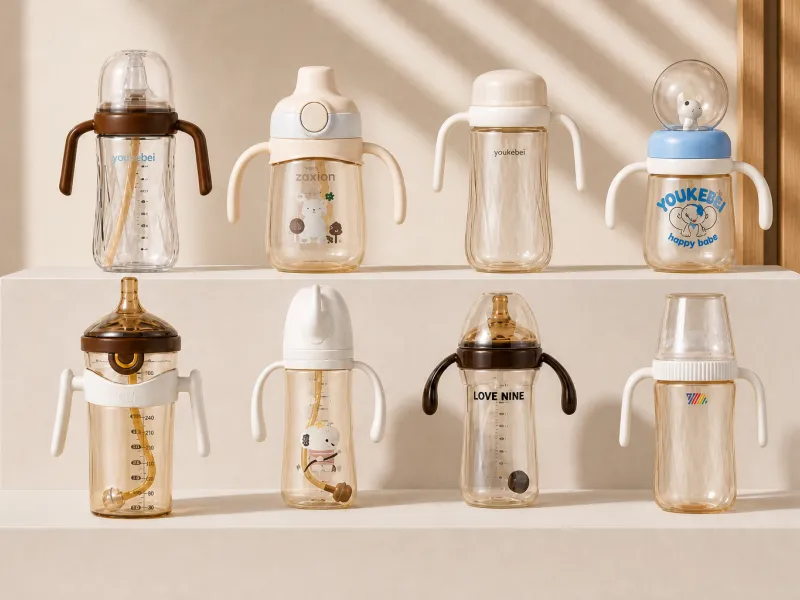
A broader selection of existing bottle profiles makes PPSU one of the more extensive ranges in our baby bottle collection. This gives you more choices at the product-selection stage before a new bottle design needs to be considered.
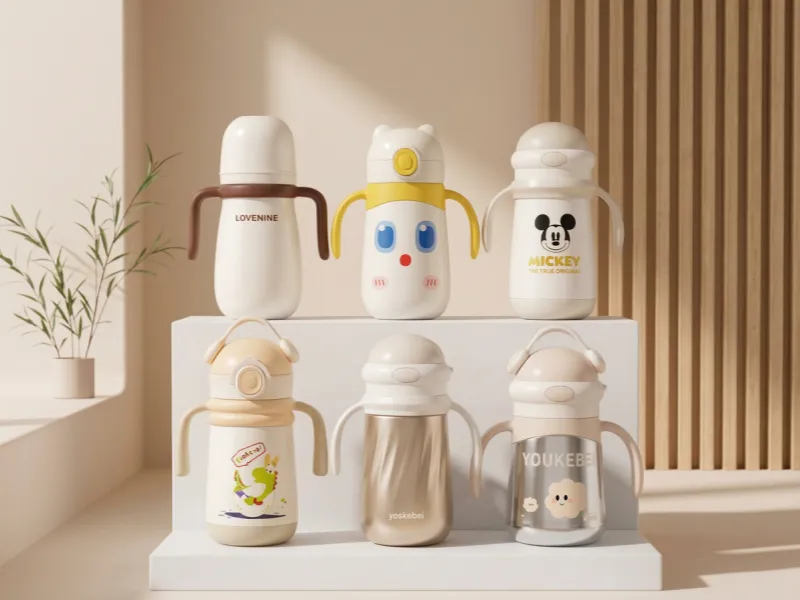
Unlike the four feeding bottle ranges above, this collection is built around children’s drinking water bottles rather than nipple-feeding bottles. It adds a metal drinkware direction to your broader baby and kids bottle category.
Compare Baby Bottle Materials for Your Product Line
Each material creates a different balance of cost, appearance, durability and product positioning. This comparison helps you narrow the direction before reviewing individual bottle designs.
| Material | Body Characteristics | What It Brings to Your Product Line | Point to Consider |
|---|---|---|---|
| PP | Lightweight rigid body with clear, translucent or colored finishes | Helps you build an accessible bottle range with better control over unit cost and shipping weight | Bottle stiffness and heat-cycle requirements need to follow the confirmed product specification |
| PPSU | Rigid amber-transparent body with strong resistance to repeated heating | Gives you a higher-positioned plastic bottle line without introducing the weight of glass | PPSU retains its natural amber tone and cannot be made completely colorless |
| High Borosilicate Glass | Clear, rigid bottle body with a distinct glass appearance | Creates a material-focused product line with strong visual clarity and a more substantial feel | Additional attention is required for thermal stress, impact protection and transport packaging |
| Silicone | Flexible molded body with a soft, opaque or translucent finish | Adds a visibly different bottle form and tactile presentation to your feeding range | Bottle feel and standing shape are influenced by both silicone hardness and body thickness |
| 316 Stainless Steel | Opaque metal body with single-wall or double-wall structures depending on the design | Extends your range into durable children’s water bottles, with insulation available in suitable double-wall designs | This series is intended for children’s drinking water rather than traditional nipple feeding |
Not Sure Which Baby Bottle Material Fits Your Product Line?
Tell us your target product positioning and requirements, and we’ll help you narrow down the suitable material and existing bottle options.
Private Label Baby Bottle Customization
You can begin with an existing bottle or move into a new design when the product itself needs to change. We separate structural development from visual customization, so you only develop what your project actually requires.
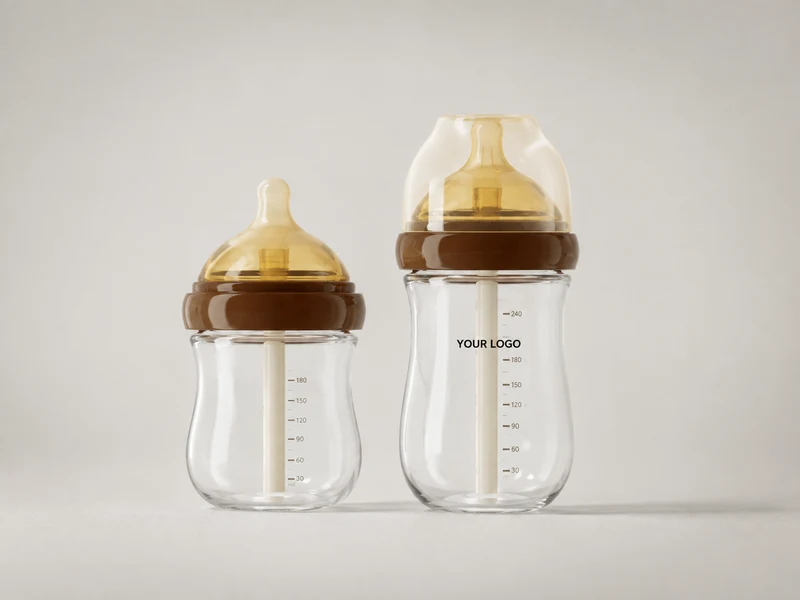
Start with an Existing Bottle Design
If an existing bottle already matches the shape and configuration you need, you can use it as the base for your private-label product. Color and branding can then be developed around the confirmed bottle, reducing unnecessary mold development and giving you a more direct route into sampling.
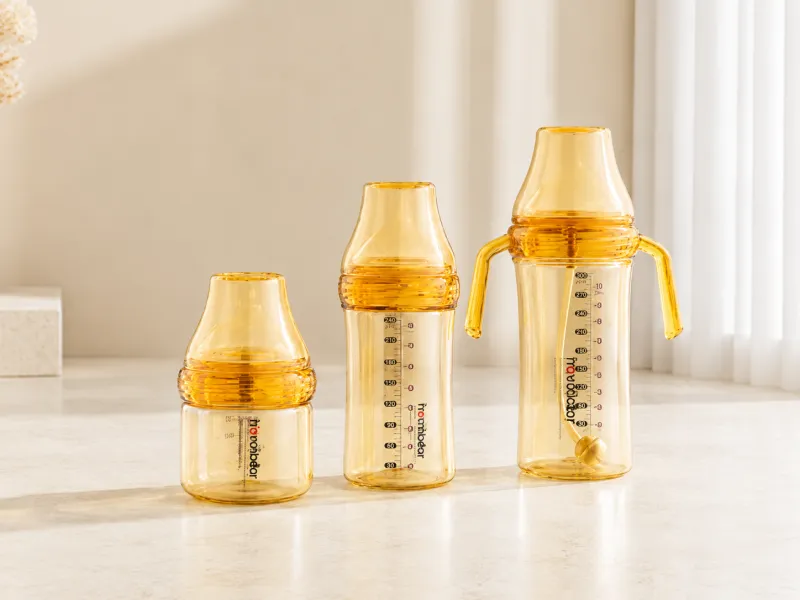
Develop a New Bottle When the Product Needs to Change
A different bottle profile or capacity normally requires its own mold rather than being created by simply adjusting an existing mold. When your product brief goes beyond our current designs, we can evaluate the new bottle around the dimensions and structure you actually want.
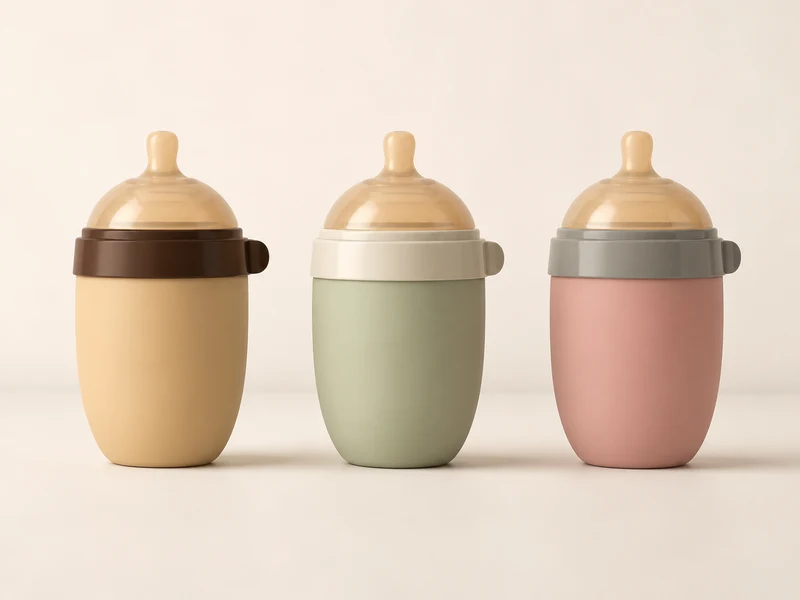
Coordinate Colors Across the Finished Bottle
Bottle bodies and confirmed matching components can be developed around your approved color direction. Because silicone, PP, PPSU and coated metal do not reproduce color in exactly the same way, we confirm the actual appearance on each material rather than assuming one color formula will look identical everywhere.
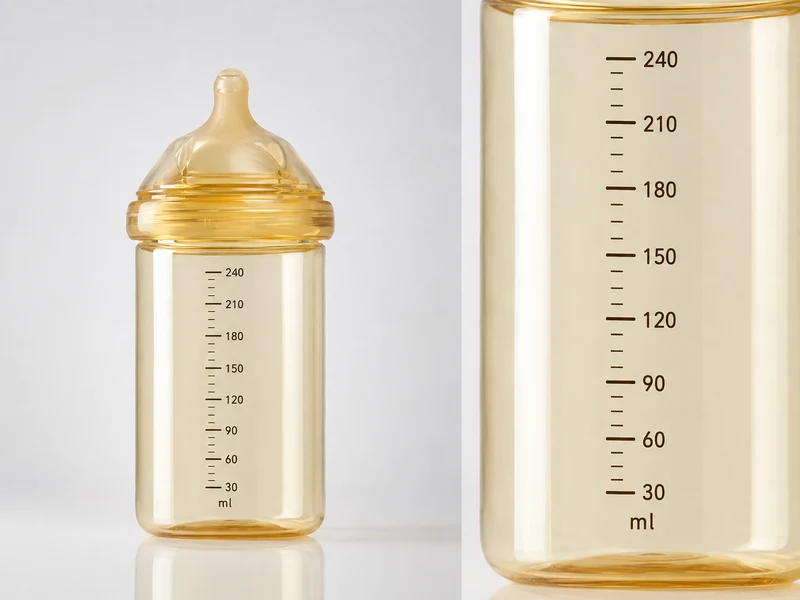
Match the Branding Process to the Bottle Material
We do not apply one decoration method to every bottle body. Silicone can use molded branding or suitable surface printing, while rigid plastic and glass can use compatible printing processes. Stainless steel gives you additional options such as full-color heat transfer and laser marking, allowing the branding method to follow the material instead of forcing the material to fit the process.
How We Protect the Quality of Your Baby Bottle Orders
A baby bottle can look correct and still have problems with material performance, sealing, graduation accuracy or surface condition. Our checks are aimed at finding these issues before they become part of your delivered order.
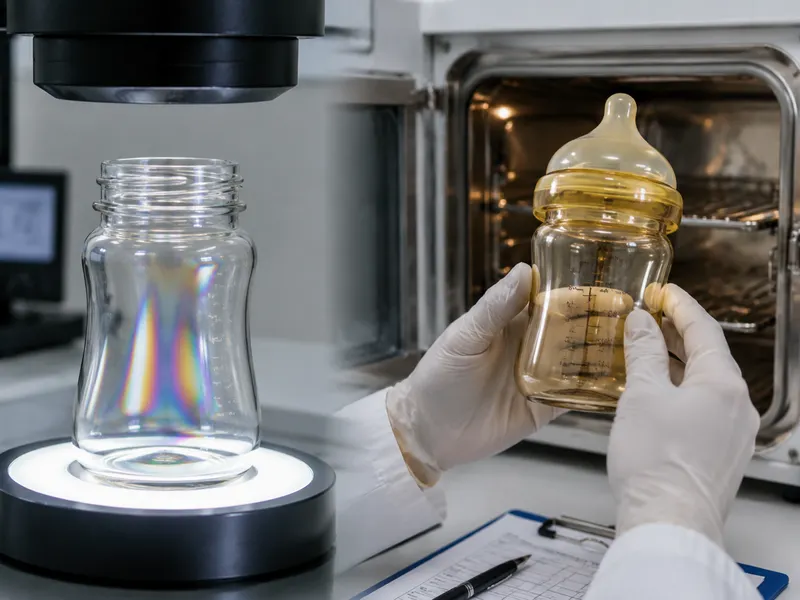
Material Tests Expose Problems That Visual Inspection Cannot
For high borosilicate glass bottles, we use polarized stress inspection and thermal-shock testing to identify residual stress that may not be visible at room temperature. PPSU bottles can be evaluated after defined sterilization cycles for deformation, whitening and fit changes. These checks help you catch material-related failures before the bottles reach your market.
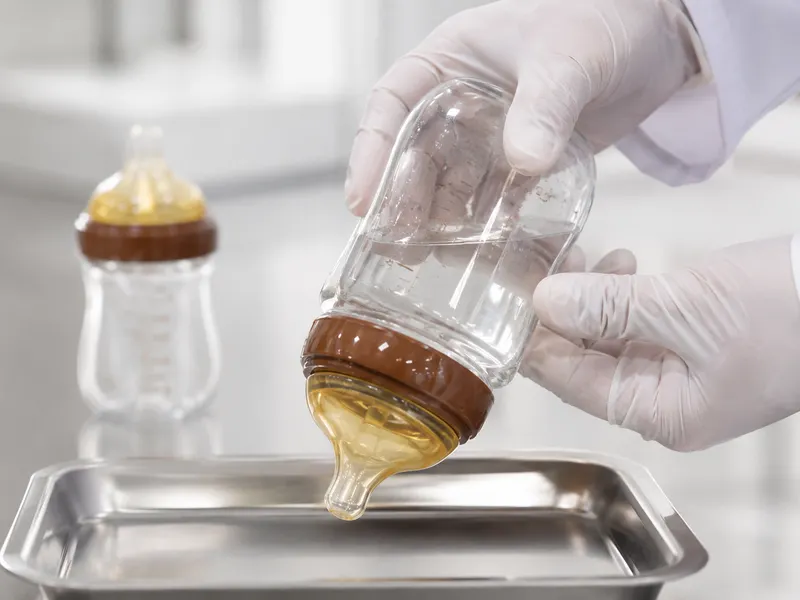
Assembled Sealing Tests Catch Fit Problems Between Components
For feeding bottle lines, the bottle body, nipple and locking components are tested in their assembled condition. By filling the bottle and checking it under the defined sealing condition, we can identify problems caused by the bottle opening, nipple flange or locking position before they turn into leakage in your finished products.
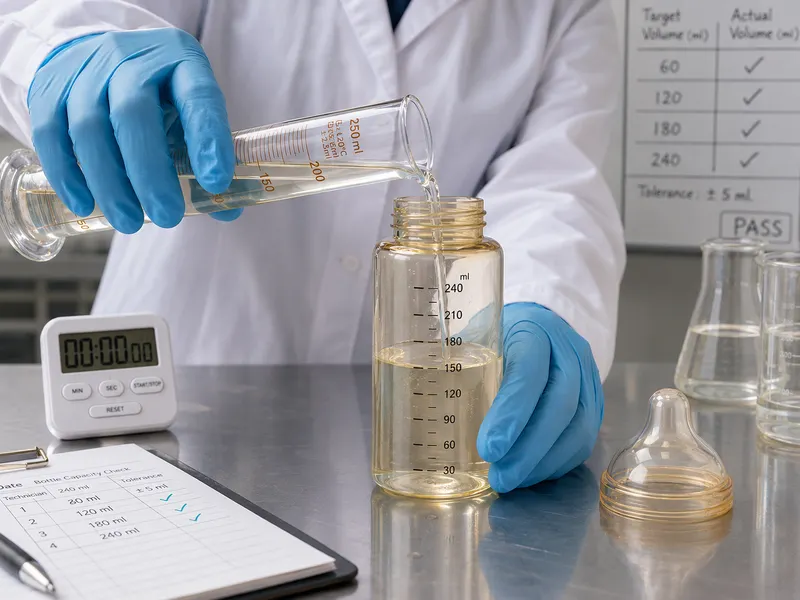
Actual Fill Volume Verifies the Printed ml Scale
We verify printed ml graduations with a measured quantity of liquid instead of checking only whether the artwork is positioned neatly. If the printed line does not correspond with the intended liquid volume, it is treated as a scale-position problem rather than an acceptable visual variation.
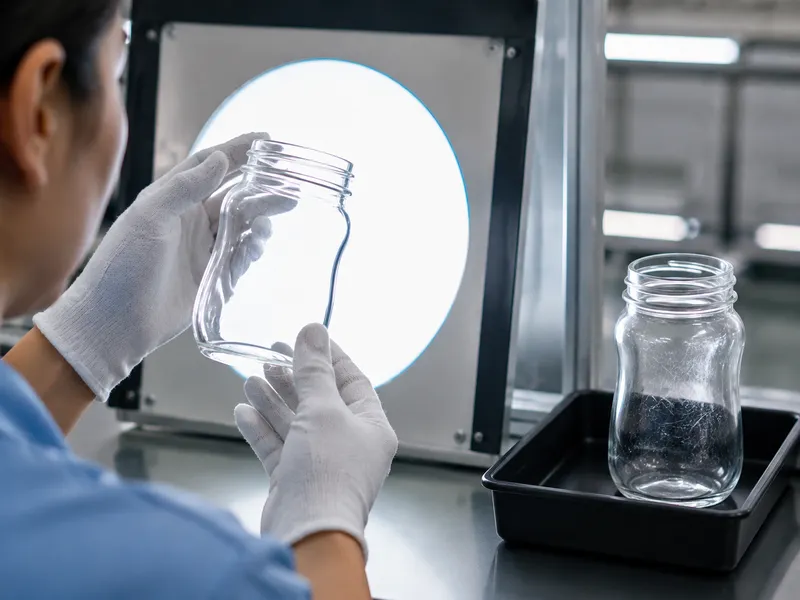
Full Appearance Inspection Keeps Scratched Bottles Out of Your Shipment
Finished bottles undergo appearance inspection before delivery. Inspectors use low-friction rubber gloves and other protective handling measures so the inspection itself does not introduce new marks. Bottles with visible scratches or unacceptable surface defects are rejected and are not included in the goods delivered to you.
Retail Packaging Across Our Baby Bottle Range
Different bottle lines use different retail presentations. You can choose from the packaging formats already used across our baby bottle range and adapt them to your product positioning.
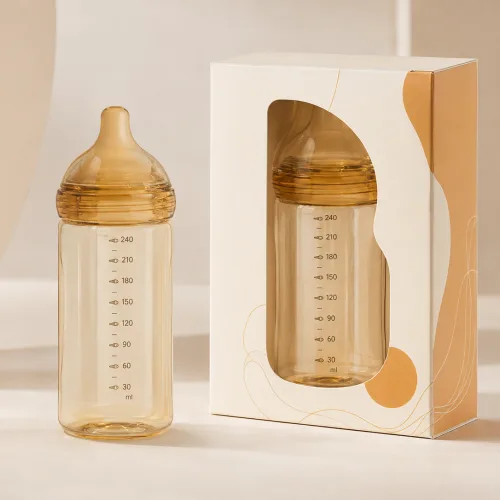
Printed Retail & Window Box
Printed folding boxes can be fully enclosed or designed with a clear window. You get enough printable area for product information while the window version keeps the bottle visible when its shape or color is part of the retail presentation.
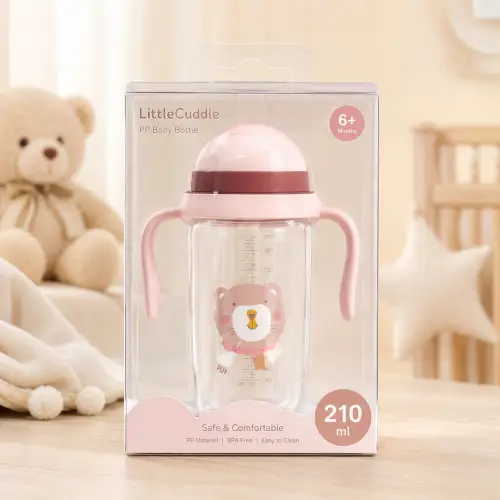
Transparent PET Box
Used for selected PP and PPSU bottle lines, transparent PET packaging keeps most of the product visible from outside the box. This gives you a more product-led presentation when the bottle itself carries strong visual value.
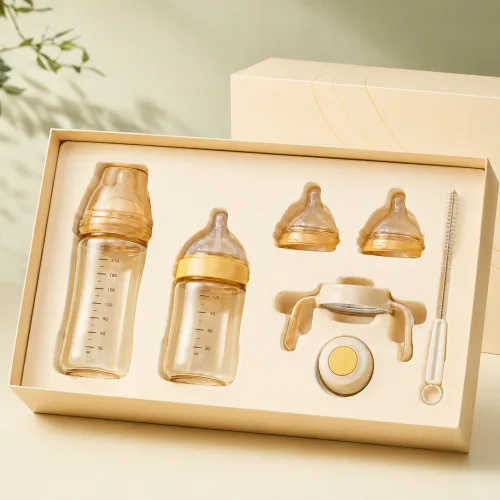
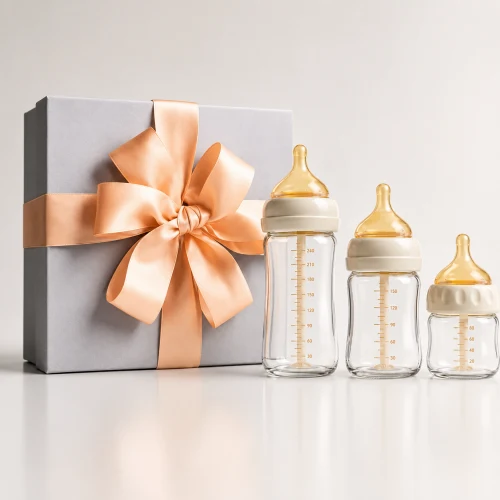
Gift & Set Box
Gift packaging can hold a single bottle or create a larger presentation for multiple bottles or feeding products. You can build a higher-value retail format from existing products without redesigning the bottle itself.
Custom Packaging Insert
For bottles and sets that require fixed internal positioning, we can match the insert to the confirmed product layout. This keeps the bottle and included components separated and securely positioned while improving the presentation when the box is opened.
Manufacturing Scale Behind Your Baby Bottle Orders
Different bottle materials require different production and finishing processes. Our manufacturing base gives your project access to the equipment and production space needed to support them.
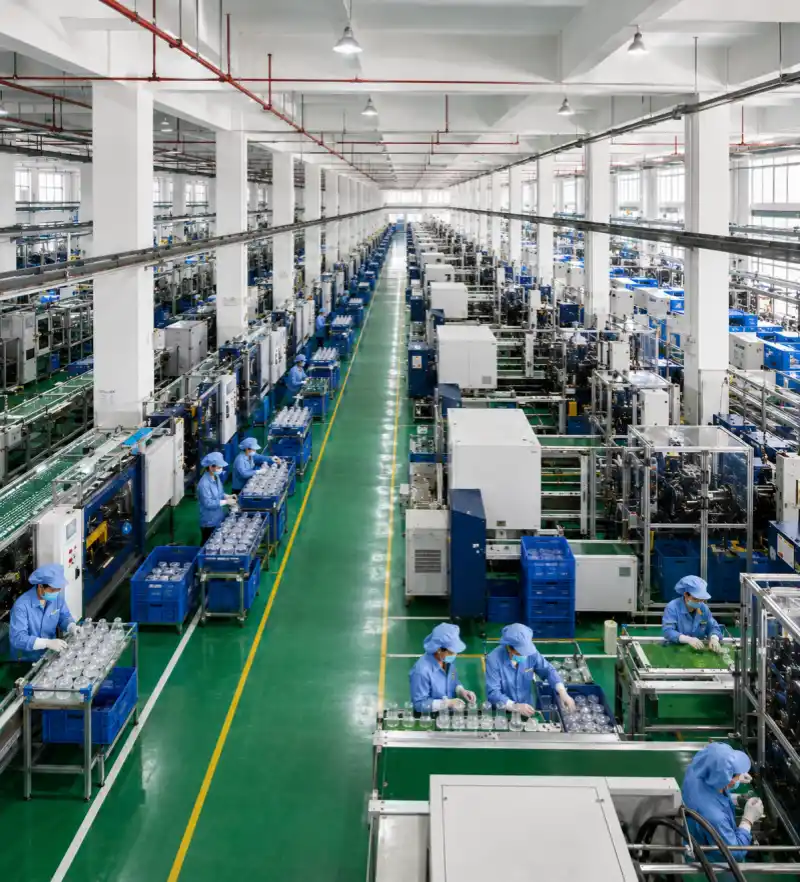
15,000 m²
Total Production Workshop
Enough production space to support different bottle processes and bulk-order production.
300+
Professional Production Machines
Injection molding, silicone processing, pad printing, heat transfer and other equipment give your products access to different molding and decoration processes.
60+
Export Countries & Regions
You work with a supplier already experienced in handling overseas bulk orders across different markets.
FAQs
If I develop matching PP and PPSU bottles, which specifications need to be validated separately?
How should bulk quality requirements differ between glass, plastic, silicone and stainless steel bottles?
How can one brand stay visually consistent across different baby bottle materials?
If the bottle profile changes but the nominal capacity stays the same, what needs to be revalidated?
Which part of a private-label baby bottle project usually determines the actual MOQ?
When should a baby bottle use a new packaging structure instead of reusing an existing box?
Build Your Baby Bottle Range with Us
Whether you are developing a single baby bottle line or expanding a broader feeding collection, tell us what you are looking for. We’ll connect your requirements with the right products and move your project forward.